Featured
Resident Onboarding in Nigerian Estates: What Your First 30 Days Should Look Like

Praise Ohans
2026/05/12
Moving into a gated estate in Nigeria feels like a level up. In most gated estates, you have access to better roads, a steady power supply, and tighter security. However, your experience is not defined by the gate or the paint on the walls. It is often defined by what you do in your first 30 days as a resident. Your experience can be smooth and really comfortable, or plagued with confusion, depending entirely on how well you navigate the first 30 days. This is why you cannot afford to treat this window with levity. If you are a new resident in an estate, whether as a tenant or house owner, this guide is for you.
Week 1: Handle the Boring Stuff First

Read and understand your tenancy agreement
Most new residents jump straight to unpacking without looking at the paperwork that needs to be signed. Your tenancy agreement is not a mere formality and should not be treated as one. Service charge disputes are one of the most common conflicts between landlords, tenants, and property managers in Nigerian estates today. Most start because a resident never cared to read what their agreement stated.
It might interest you to know that there is currently no statutory regulation for service charges in Nigeria, which means that what your lease says is what counts. Get a real breakdown of your service charge and what it covers. Does it cover generator diesel? Borehole pumping? LAWMA waste collection? Security salaries? Communal lighting?
Register at the gate immediately.
Ensure that your details are captured at the gate immediately you move in. In most Nigerian gated estates, gate access is managed by physical guards, not apps or automated systems. Your name, vehicle plate numbers, and household members all need to be on record before your guests can get in without stress. If you have domestic staff coming in regularly, register them too.
Sort out the power situation
Residents in Nigerian estates face constant struggles with electricity: from unreliable DISCOM supply to disputes over communal billing. Find out which DISCOM band your estate falls under, what the average daily supply hours are, whether there's an estate generator, and what the running hours are. Get it in writing if possible. Assumptions about power in Nigeria almost always end badly.
Week 2: Figure Out How Your Estate Is Run
Every Nigerian estate has a formal governance structure and a set of informal rules that nobody documents, but everyone enforces. Week 2 is about learning both.
Know who is in charge.
Every estate has a defined structure consisting of bodies that determine how things are run within the estate. Private estates in Nigeria operate under Homeowners and Residents Associations, while older government-built estates typically run under Community Development Associations (CDAs). A typical Residents' Association has a Chairman, Vice Chairman, Secretary, Treasurer, and Financial Secretary. Know who holds those positions in your estate. When something goes wrong, you need to know who to go to and how decisions get made.
If there's a facility manager, meet them early.
Many estates in Lagos and Abuja now use professional facility management companies rather than running operations through the residents' association alone. This person controls the maintenance schedule, generator operations, and shared infrastructure. Being on good terms with them can go as far as getting your maintenance requests handled faster.
Ask a neighbour about the unwritten rules.
As earlier said, there are unwritten rules in every estate. How long can visitors park before security flags it? Do domestic staff use the same entrance as residents? What's the quiet hours expectation? These things are rarely documented, and learning them from a neighbour early enough saves you the embarrassment of learning them from a guard when you default.
Week 3: Get Into the Systems

Join the estate platform.
The estate platform is where necessary estate updates go out, such as security alerts, power outage updates, and water supply disruptions. Tenant associations in Nigerian cities increasingly function as direct communication networks for housing issues. If you're not in the group, you will always be the last to know what's happening, including things that affect you directly.
Understand your water situation properly.
Most Nigerian urban estates rely on boreholes, water tankers, or private treatment systems rather than a functional public water supply. Find out how often the overhead tank in your building or unit is pumped, and how much storage your unit has. From personal experience, lack of water supply could be worse than a lack of electricity.
Put any move-in maintenance issues in writing.
If you noticed problems during your move-in: a leaking pipe, a faulty socket, a broken fixture, this is the ideal time to document them formally. Send a message with photos to the facility manager or estate office and keep a record. In Nigerian property management, verbal complaints tend to be forgotten. Written ones with timestamps are taken much more seriously.
Map the area around the estate.
Where is the nearest hospital? Pharmacy? ATM? Fuel station? Market? Knowing alternate routes in and out of your estate area is a life hack. Build this knowledge now, not during your first actual emergency.
Week 4: Tidy Up Loose Ends
Go to a residents' association meeting if one is scheduled.
Although estate association roles in Nigeria are unpaid and voluntary, these are the people who decide service charge rates, generator fuel budgets, security upgrades, and communal maintenance projects. One meeting will tell you more about how your estate actually runs than three months of passive observation. Show up.
Confirm your service charge payment process and get receipts.
Find the account details, confirm the payment cycle, and keep every receipt. If the amount seems to change without explanation, ask for a breakdown. Opacity in service charge administration is common in Nigerian estates, and residents who don't ask questions tend to be the ones who get overcharged.
Register every vehicle that enters regularly.
Your cars, your domestic staff's okada or car, any regular delivery vehicles: all of it should be on record at the security desk. Estates with strict gate management will stop unregistered vehicles. Better to sort this now.
Build your emergency contact list.
Estate security desk number, facility manager's direct line, the estate chairman or secretary, your nearest hospital emergency line, your DISCOM customer service number, and a trusted plumber and electrician in the area. Save them because you will definitely need them someday.
The First 30 Days Set the Tone for Everything Else
Estate living in Nigeria can feel surreal, but that feeling rarely happens by accident. The residents who settle in quickly are always the ones who handled the admin early, asked the right questions, and took the time to understand how their specific estate works. If you are moving in as a tenant, this guide is your head start. If you are a homeowner, it is your checklist for things to put in place.
If you manage a residential estate in Nigeria, the experience your new residents have in the first month determines how they talk about your estate, how long they stay, and whether they pay their service charge without a fight. Residents who are properly onboarded cause far fewer problems down the line.
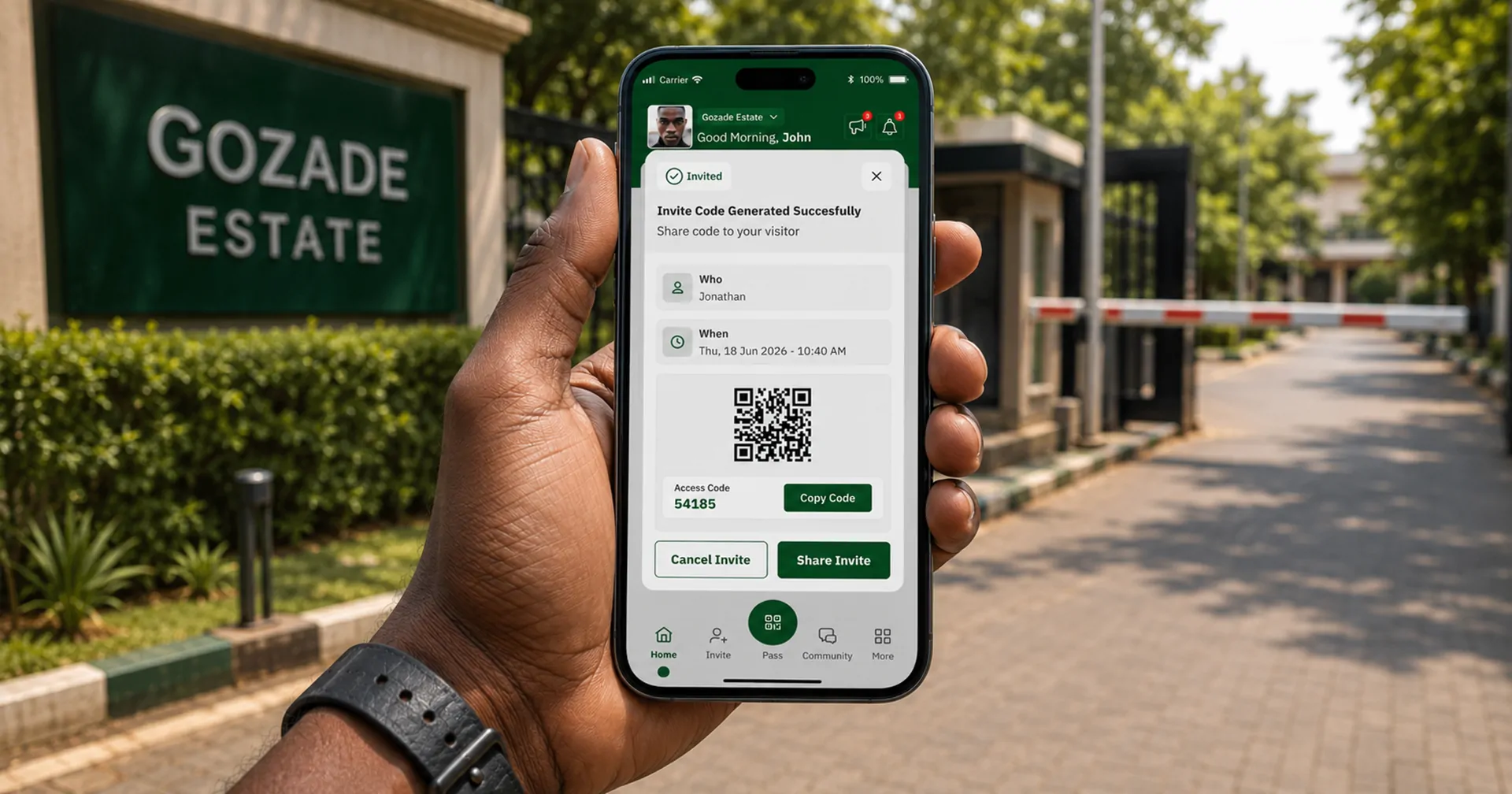
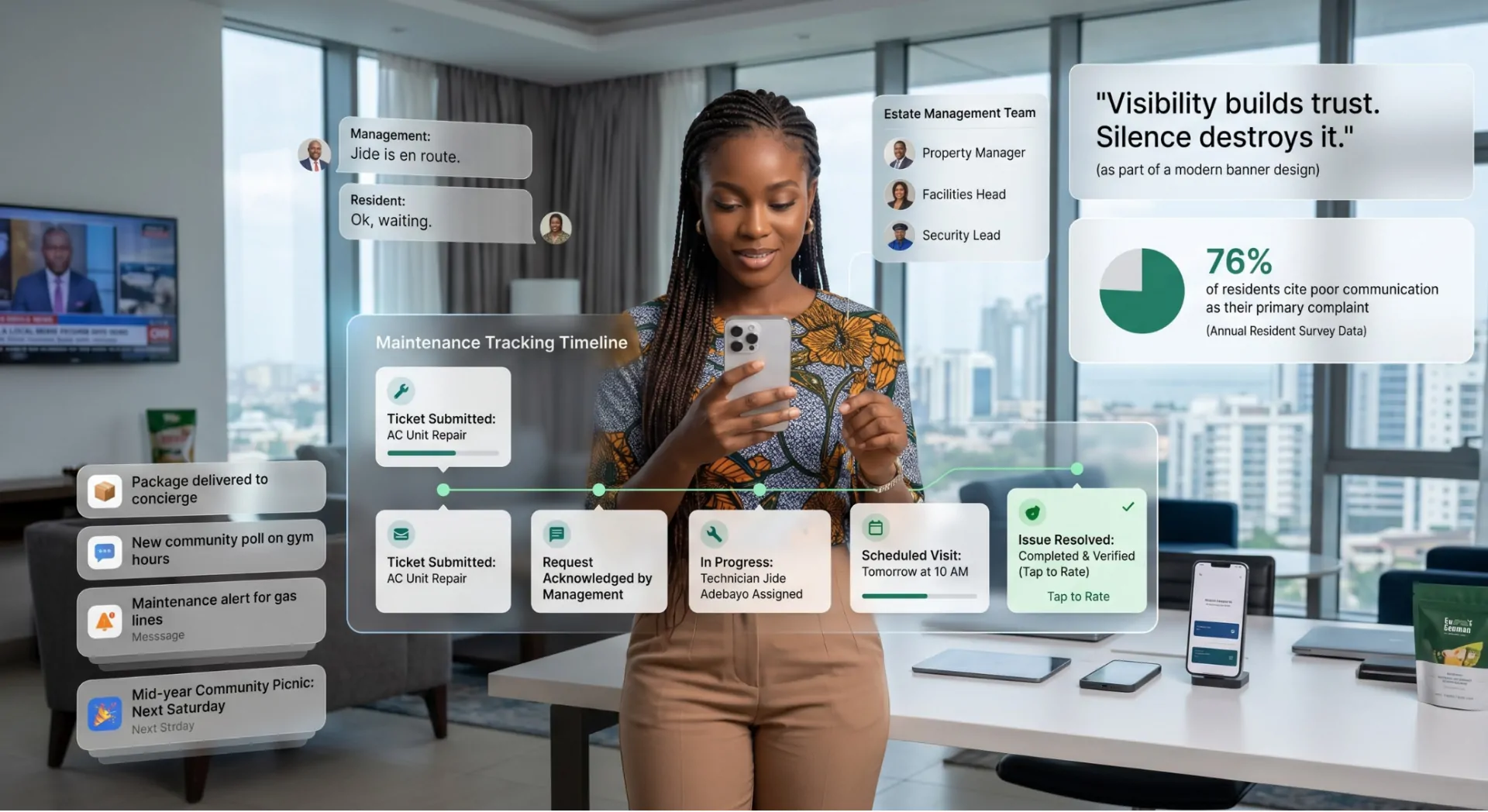
This is exactly the problem Sylogate was built to solve. From gate access management to service charge collection, maintenance tracking to resident communication, Sylogate gives Nigerian estate managers one platform to handle the major parts that make or break the resident experience. A well-run estate doesn't just happen; someone must build the systems that make it work.
Tags
Tips and Guides
Updates


SYLOGATE
An Estate Management Software Company.
Simplify complexity and manage multiple residents and visitors from a single platform.