Introduction
Property management isn’t what it used to be anymore. The traditional means of collecting rent, attending to maintenance requests, and keeping everything running smoothly through paper documentation is now a thing of history. The industry is now moving towards smart systems that help modernize and ease property management.
Residents are no longer satisfied with just about anything you provide them. Now, they expect a digitalized environment that provides comfort and added security. Even property owners want more profit without neglecting resident experience. When estate management is run traditionally, it slows down operations, drains money through preventable maintenance, and limits the value properties can generate. With smart estates, all of these drawbacks are easily preventable.
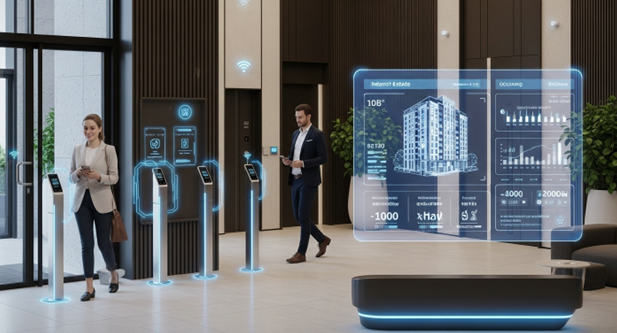
Smart estates bring technology into the core of property operations. Instead of routine inspections and back-and-forth communication, everything can now be monitored in real time. Energy use becomes more controlled. This results in a management style that delivers higher efficiency and sustainability.
What Are Smart Estates
Smart estates are properties that use advanced technologies to automate, monitor, and optimise everyday estate operations. They rely on systems such as IoT sensors, cloud platforms, artificial intelligence, and real-time analytics to handle tasks. These technologies work together to create estates that make adjustments based on accurate data.
Smart estates reduce energy waste, predict equipment failures, and allow managers to control essential systems from a centralized dashboard. This creates a smoother and faster workflow for teams that handle security, maintenance, billing, and communication.
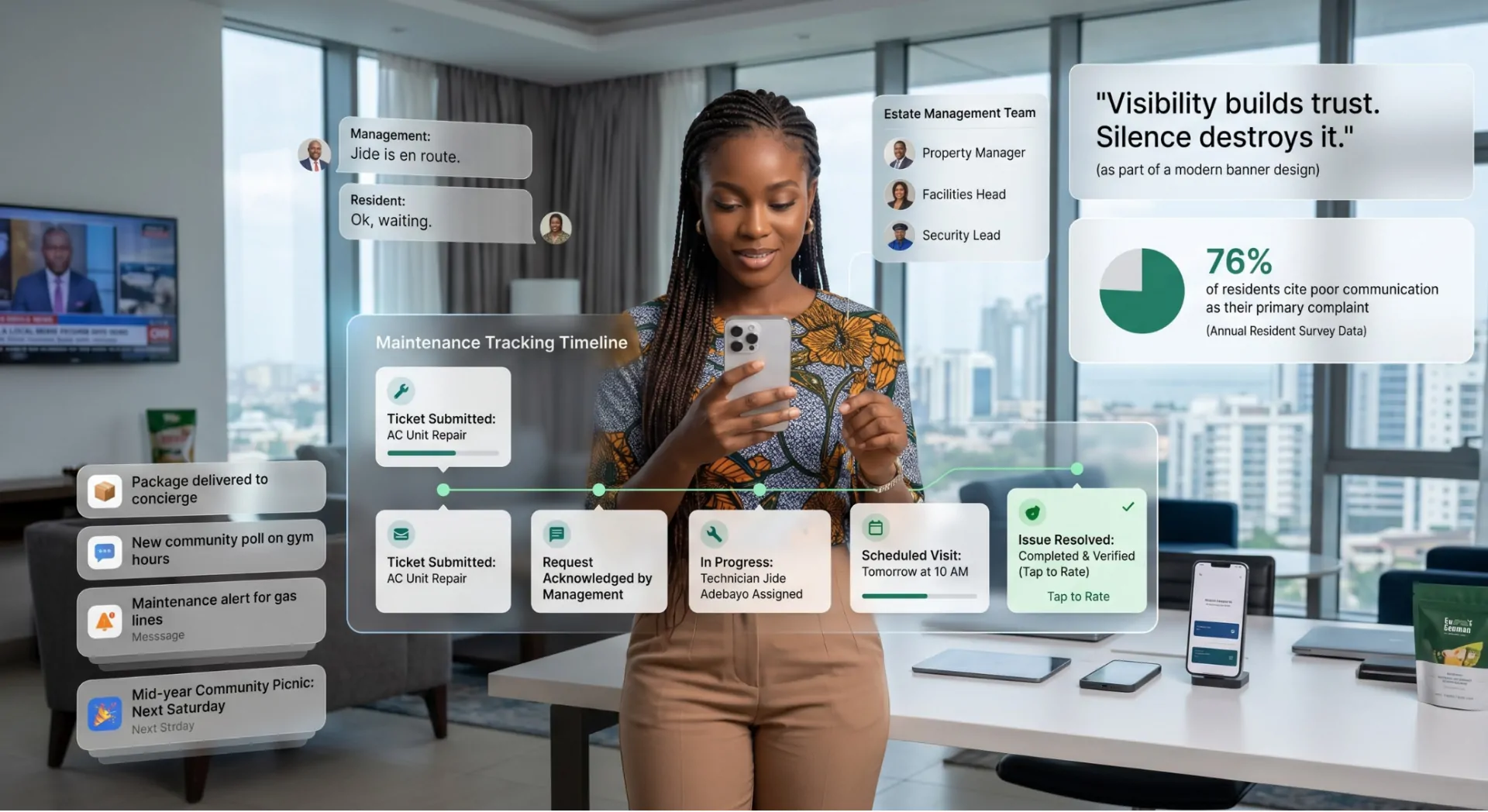
At the core of all this are integrated mobile apps and management dashboards. Residents use the app to pay rent, log maintenance requests, manage access, or get updates. Property managers use their dashboard to track occupancy, receive alerts, track access, and control building systems remotely. These features combine to create a modernized and responsive living environment.
Core Technologies Powering Smart Estates
IoT Sensors and Real-Time Monitoring
IoT sensors provide smart estates with information on what is happening inside a building at any moment. These sensors track temperature, humidity, occupancy, air quality, lighting levels, and energy use. Instead of waiting for someone to notice an issue, the building sends live data that guides accurate decisions. Property managers no longer depend on routine inspections because the system reports changes instantly.
The constant, accurate flow of information unlocks meaningful automation. HVAC systems adjust themselves based on temperature and occupancy data. Lighting responds to movement and natural light levels. Energy usage becomes smarter because the building knows exactly what is needed at every moment. Decisions are now based on data-driven insights that help reduce waste and improve comfort.
The results are measurable. IoT driven energy management can cut energy consumption by up to 30 percent. Operating expenses often drop by 20 percent because equipment does not run harder than necessary. Smart HVAC systems alone deliver up to 30 percent energy savings, while smart lighting adds another 40 percent savings. These numbers show how impactful real-time monitoring can be for properties in 2025 and beyond.
Cloud-Based Management Platforms
Cloud-based platforms store and process the large amount of data collected from IoT devices. They allow estate managers supervize buildings from anywhere. With a single dashboard, teams can adjust system settings, check performance data, or respond to alerts without stepping on-site.
Cloud platforms also support scale. A manager can track several properties at once and compare performance across locations. Issues in one building can be detected while reviewing another. Updates happen in real time, which means nothing goes unnoticed even without a physical inspection.
These platforms also enable fast notifications. If a system starts malfunctioning, alerts appear immediately. Managers can respond before the issue escalates. Remote adjustments are just as quick; switching off a device, changing a temperature setting, or resetting a system, everything can be handled online. This efficiency helps teams work optimally without stretching themselves thin.
Artificial Intelligence and Predictive Analytics
Artificial intelligence is one of the most transformative technologies in smart estates. One of its major strengths lies in prediction. By analyzing historical patterns, real-time data, and equipment performance trends, AI can forecast early signs of failure long before the equipment breaks down. This allows property managers to fix issues way before a breakdown occurs.
Predictive analytics has already started taking center stage in building maintenance. Properties using these systems report a 40 percent reduction in equipment downtime because breakdowns are addressed early. Assets also last longer. AI enabled maintenance strategies extend equipment lifespan by about 25 percent, delaying costly replacements and improving overall property value.
Key Benefits of Smart Estate Management
Convenience and Flexibility
Smart estates give residents and managers a level of convenience that traditional systems simply cannot match. Residents can unlock doors with their smartphones, so they no longer worry about misplaced keys or lock changes. Access becomes simple, fast, and always available on their devices.
Managers also benefit from remote access control. They can grant or revoke entry permissions from anywhere. If a contractor needs to enter a building, the manager can open the door digitally without being on-site. This eliminates time-wasting coordination and keeps workflows smooth.
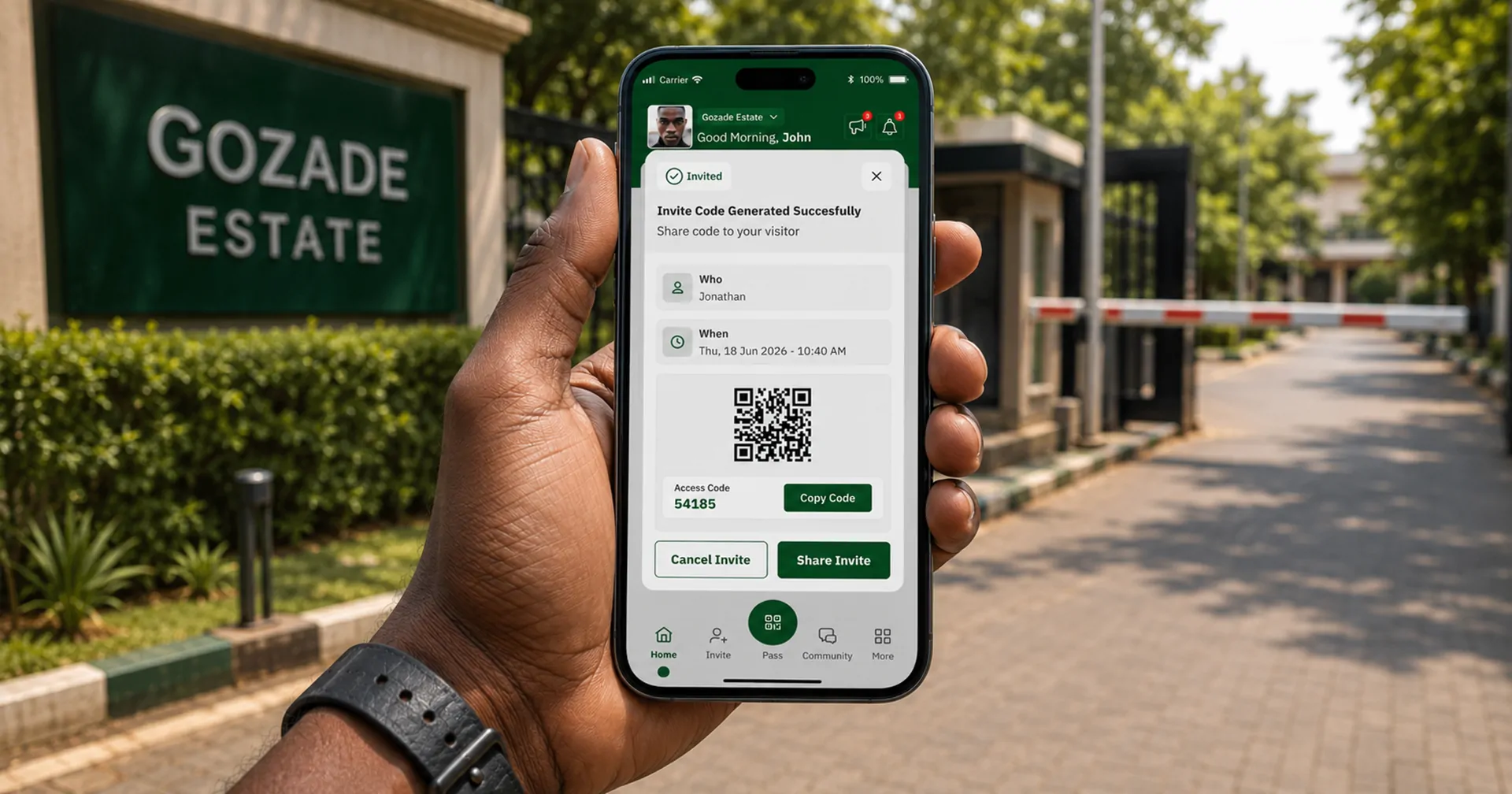
Visitor management is more organized as well. Every entry is tracked in real time. Managers can see who entered, when they entered, and how long they stayed. Residents can also authorize guests’ access easily. The entire experience becomes more flexible and far more reliable than traditional key-based systems.
Enhanced Security
Security becomes stronger and more accurate with smart estate technology. Biometric authentication ensures that only verified individuals gain access to sensitive spaces. Facial recognition and fingerprint scanning eliminate the risk of copied keys or shared access cards.
For high security areas, multi-factor authentication adds an extra layer of protection. Even if one method fails, the system requires additional verification before granting entry. This helps property managers maintain strict control over who enters critical spaces such as server rooms, equipment zones, or administrative areas.
Increased Property Value
Smart estates also boost financial performance. Sustainable buildings consistently earn higher rental premiums between 7 and 11 percent because residents value modern living spaces that reduce energy waste and offer advanced features.
Smart-enabled buildings also maintain 23 percent higher-than-average occupancy rates. Residents stay longer and new tenants are faster to sign because the building simply offers more value.
When a property operates more efficiently, stays fully occupied, and appeals to tech-savvy residents, its value rises. It doesn’t come as a surprise that prospective tenants and investors treat smart estates as stronger assets compared to traditional ones.
Operational Efficiency
Smart estates significantly reduce operational pressure on estate management teams. Smart door locks are one of the most practical examples. Maintenance staff no longer need to carry physical keys or rely completely on residents for entry. With digital access, maintenance tasks move faster, which can contribute to a 20 percent improvement in efficiency.
Leasing teams can also offer self-guided tours to potential renters, who can explore properties at convenient times without waiting for an agent. Visitors receive temporary access codes, explore buildings on their own schedule. This considerably removes scheduling conflicts and frees up valuable time for staff to focus on qualified leads instead of spending hours on basic walkthroughs.
Conclusion
Smart estates are not only the future of property management, but they are the new standard. The change from paper-heavy processes to intelligent, tech-driven systems is setting a new level of efficiency, security, and resident satisfaction that traditional estates are not able to compete with. Thanks to IoT providing real-time visibility, cloud platforms allowing remote oversight, and AI predicting problems before they happen, properties become less complicated to manage and, therefore, more valuable.
Residents receive convenience and control. Managers get speed and accuracy. Owners get higher returns and stronger occupancy. There is really no loser here. Due to the rise of expectations and the tightening of competition in the real estate market, smart estates will soon become the standard that every modern building is measured against.
Tags
Tips and Guides
Updates


SYLOGATE
An Estate Management Software Company.
Simplify complexity and manage multiple residents and visitors from a single platform.