Introduction
It is not unusual for you to hear Nigerian houseowners complain that their estates never seem to run smoothly no matter how much effort they put in. There are always delays, lost records, and endless tenant complaints. A quick look into the complaint most times exposes manual estate management as the major factor behind this. At first, it feels like a cheaper option. I mean, why wouldn’t it, when you can simply keep your books, use spreadsheets, and have staff handle rent collection and maintenance requests. But beneath that simplicity lies a looming drain that quietly eats into time, money, and reputation.
Manual property management may seem affordable on the surface, but every hour spent issuing receipts or updating tenant records by hand comes with a cost. Inefficiency creeps in, and tenants grow frustrated with avoidable delays. Over time, these small cracks widen into gaps that limit growth and reduce trust. Like they say, “penny wise, pound foolish.”
The Hidden Costs Behind Manual Estate Management
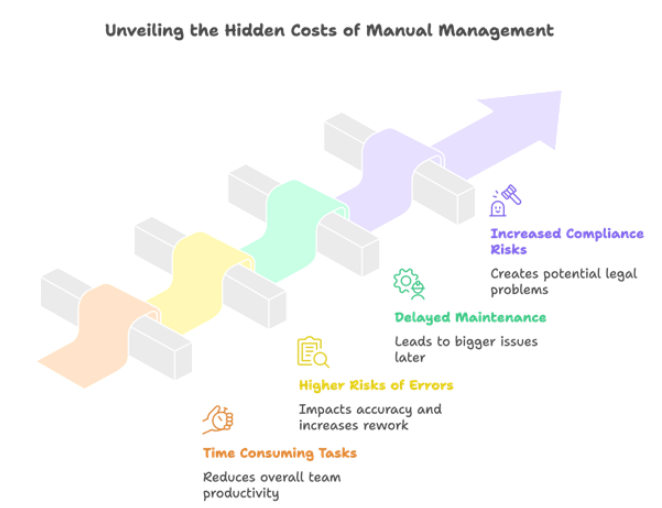
The true cost of manual management is not always seen on the surface. They accumulate gradually across several key areas that drain productivity and increase expenses. Identifying where these costs hide is the first step to addressing them.
1. Time-Consuming Administrative Tasks
Manual handling of rent payments, and maintenance requests takes far more time than most managers realize. Staff spend hours updating spreadsheets, writing receipts, and tracking tenant information from scattered files. These tasks may seem easy, but they lead to employee burnout faster than you think.
As the workload grows, so does the need for extra hands to manage paperwork and follow up on unresolved issues. This adds to payroll costs and still leaves room for mistakes. The time wasted on repetitive processes could instead be used to plan new housing projects, attract investors, or improve resident experience. In the end, what looks like saving money becomes an obstacle to efficiency and financial growth.
2. Higher Risk of Errors
When information is handled manually, mistakes are inevitable. A simple data entry error can result in tenants being overcharged or undercharged. Missed rent renewals, misfiled receipts, or forgotten maintenance requests can create unnecessary tension between landlords and residents.
These errors often lead to disputes that damage trust and reputation. In some cases, they can even cause financial losses through missed payments or fines. Correcting these issues takes additional time and resources, turning one small oversight into a larger, more expensive problem.
3. Delayed Maintenance and Repairs
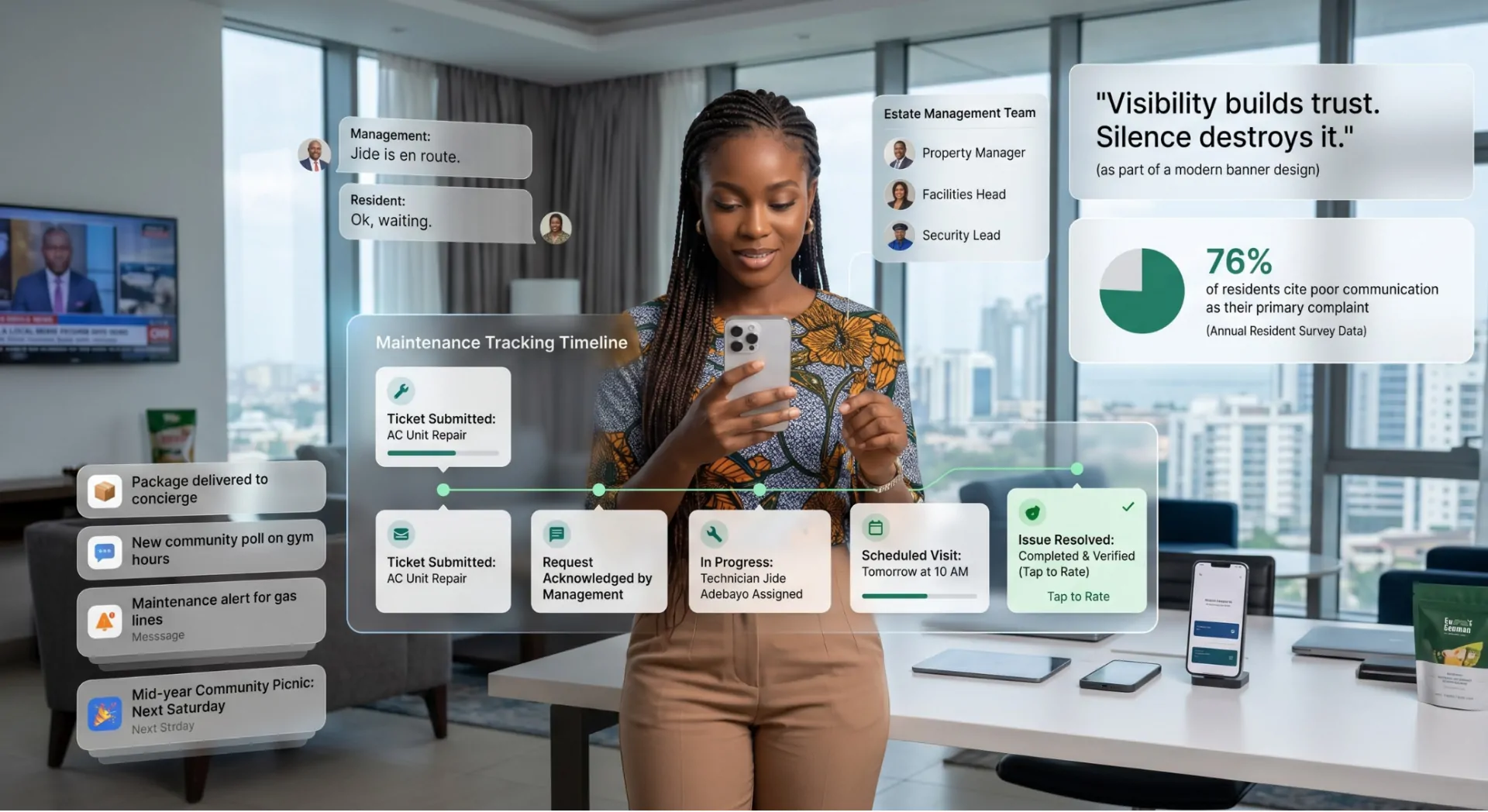
Maintenance is one of the first places where manual management shows its weakness. When repair requests are handled through phone calls, or whatsapp messages, it becomes difficult for staff to track maintenance requests and resolution. Maintenance requests may stay unnoticed or unresolved until they turn into major problems.
A dripping tap might not seem urgent, but left unattended, it can become a leaking pipe that damages walls and floors. What could have been a quick fix through a fast response time now demands costly repairs and potential tenant relocation. Slow response times also make residents feel neglected, lowering satisfaction and trust. Over time, this frustration may drive tenants to look elsewhere, leaving vacant units that cost even more in lost rent and marketing expenses.
4. Increased Compliance Risks
Estate management involves more than rent and maintenance. There are also taxes, inspection deadlines, and legal obligations that must be met. When these are tracked manually, the margin for error widens. A forgotten filing date or misplaced document can easily result in fines or legal interruptions.
Manual tracking leaves no clear audit trail, making it difficult to prove compliance during reviews or disputes. In a regulatory environment that grows stricter every year, this exposes estates to unnecessary risk.
Automated management systems, on the other hand, make compliance easier. They send reminders for upcoming deadlines, store documents securely, and generate accurate reports for authorities. This not only reduces risk but also builds trust among tenants and investors who value transparency and accountability.
How to Avoid These Hidden Costs
After examining the hidden costs of manual management, it becomes clear that the way forward is automation. Technology transforms the daily operations of estates from slow, error-prone routines into efficient, data-driven systems. With the right tools, property managers can reclaim time, reduce expenses, and create a better experience for everyone involved.
1. Adopt Automated Estate Management Systems
Automation is the single most effective way to eliminate the inefficiencies of manual management. By using digital systems, repetitive administrative work is handled instantly and accurately. Tasks like rent collection, rent renewals, and maintenance tracking no longer depend on paperwork or memory, they happen automatically within the system.
For instance, rent payments can be processed online and recorded instantly. Lease expirations trigger renewal reminders for both tenants and managers. Maintenance requests are logged, assigned, and tracked from start to finish without the risk of lost notes or delays. Every activity leaves a digital trail, ensuring transparency and accountability at all times.
2. Build a Clear Operational Workflow
Technology alone is not enough. To fully avoid hidden costs, every estate needs a defined workflow that guides how information moves from one stage to another. When staff members know exactly how to log complaints, approve repairs, or record payments, there is less confusion and less risk of oversight.
A clear workflow keeps operations transparent and consistent. It ensures that every maintenance request is followed up, every payment is documented, and no task is left unattended to. This level of structure prevents the inefficiencies that often plague manually run estates.
3. Prioritize Data and Compliance Management
Hidden costs often show up when records go missing or regulations are overlooked. To avoid these, estates must manage data with intention. Cloud-based record keeping allows instant access to leases, tax filings, and inspection reports, making compliance simple and stress-free.
Automated alerts can be set for renewal dates, rent reviews, and government filings, helping managers stay ahead of deadlines. Centralized data also supports smarter decisions about pricing, maintenance budgets, and expansion plans. When data is clean and accessible, there are fewer surprises, and fewer financial losses down the line.
Conclusion
Manual estate management might look affordable at first, but it quietly drains time, money, and reputation. Every delayed response, misplaced record, or missed renewal adds up. Over time, these small issues become financial burdens that slow growth and frustrate tenants.
The estates that thrive are those that move beyond manual processes. They invest in automation, set up structured workflows, and rely on data to guide decisions. With the right systems in place, managers can focus on growing their communities, retaining happy tenants, and maximizing returns. This is indeed what really matters.
If your estate still runs on spreadsheets or paper records, now is the time to evolve. Book a demo with us today to see how a smart property management system in Nigeria can help you cut hidden costs, boost efficiency, and stay ahead of your competition.
FAQs
1. What are the problems with manual estate management in Nigeria?
Manual estate management in Nigeria often causes poor record keeping, delayed communication, and tenant dissatisfaction. Without digital tools, tracking rent payments and maintenance requests becomes difficult, leading to financial losses for property owners.
2. Why is digital estate management better for Nigerian property owners?
Digital estate management gives homeowners full control over rent collection, maintenance, and communication in one platform. It helps eliminate paperwork, reduces fraud, and builds transparency between landlords and tenants.
3. How can technology improve estate management in Nigeria?
Technology automates repetitive estate management tasks such as rent reminders, maintenance tracking, and service requests. It also ensures real-time reporting, allowing Nigerian homeowners to monitor their properties anytime and anywhere.
4. What are the benefits of moving from manual to digital estate management?
Shifting from manual to digital estate management saves time, increases efficiency, and improves tenant satisfaction. Homeowners also get data-driven insights to make better financial and operational decisions.
5. How can Nigerian homeowners choose the right digital estate management system?
Homeowners should look for a platform that offers automated rent collection, report logging, emergency handling, and resident communication in one place, just like Sylogate. The best estate management system in Nigeria is one that saves time, ensures transparency, and scales as the property portfolio grows.
Tags
Tips and Guides
Updates


SYLOGATE
An Estate Management Software Company.
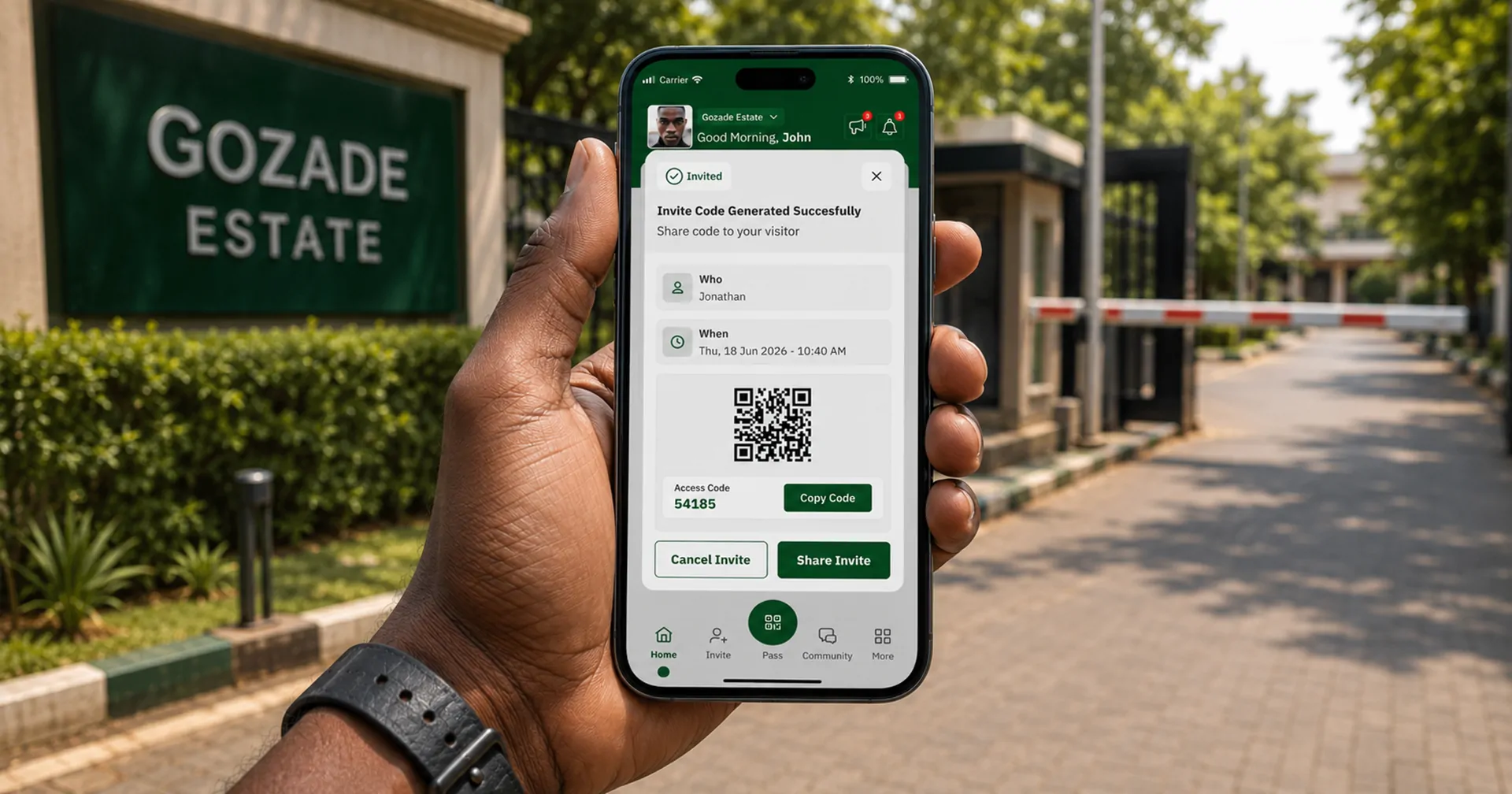
Simplify complexity and manage multiple residents and visitors from a single platform.