Featured
The Rise of Smart Communities in Nigeria: What it Means for Security and Comfort.
.webp?alt=media&token=379eec48-d9c0-4aff-90c4-866a4000fde1)
Praise Ohans
2025/09/25
Introduction
Nigeria is urbanizing faster than ever, with millions moving into different cities every year. This rapid growth piles pressure on landlords, as residents now demand safer, more modern, and more efficient places to live. Traditional estates often struggle with security lapses, power supply issues, and outdated infrastructure, leaving a gap that technology is now filling. Smart communities in Nigeria have now entered the mix, with modern estates powered by digital connectivity, IoT devices, and sustainable infrastructure.
These communities are designed to improve everyday living, combining safety, convenience, and comfort in ways that older estates cannot match. From smart surveillance cameras to energy-efficient homes, they show how technology can directly solve real urban challenges. For residents, this means peace of mind, reduced costs, and a higher quality of life. In this blog, we’ll explore why smart communities matter, how they enhance security and comfort in Nigeria, and what their rise signals for the future of urban living across the country.
What Are Smart Communities in Nigeria and Why Do They Matter?
Oftentimes, when people talk about a smart community, they limit it to being just a gated estate. As a matter of fact, it transcends beyond that: it is a connected ecosystem where technology and infrastructure work hand in hand to improve quality of life. In Nigeria, smart communities use tools like Internet of Things (IoT) sensors, app-controlled access, and data-driven management systems to make everyday living safer and more convenient. High-speed internet, smart grids, and reliable energy form the backbone of these developments, ensuring residents enjoy uninterrupted connectivity and efficient services.
But why do they matter so much in Nigeria today? The answer lies in the country’s unique challenges. Security remains a major concern for many estates, energy costs are rising, and traffic congestion reduces productivity. By integrating smart surveillance, renewable energy, and intelligent mobility systems, smart communities are directly addressing these pain points.
Projects such as Eko Atlantic City in Lagos and Lagos Smart City highlight how these communities are redefining urban living. They showcase eco-friendly buildings, smart surveillance, and self-sustaining infrastructure designed to withstand the pressures of rapid population growth. For Nigerian residents, a smarter home doesn’t stop at just better comfort but stronger security, cleaner environments, and peace of mind. This is why the shift toward smart communities is becoming a defining feature of Nigeria’s modern cities.
Smart Community Security in Nigeria: How Technology Keeps Residents Safe
Security is one of the biggest reasons families choose smart communities in Nigeria. Traditional estates often rely on guards and basic gates, which are no longer sustainable in today’s world. Smart estates go further by using technology-driven security systems that provide round-the-clock protection.
Features like smart surveillance cameras with motion detection, biometric or digital access control, and video doorbells with two-way communication make it much harder for intruders to gain access unnoticed. Automated lighting systems also act as deterrents, keeping pathways and entrances well-lit without wasting energy.
Beyond physical safety, IoT-powered real-time monitoring gives residents and estate managers the ability to track events instantly through smartphones or centralized systems. For example, alerts can be sent if unusual activity is detected around a home, making response times much faster.
Cybersecurity is another layer of protection in smart communities. Since these systems rely on connectivity, developers now use encryption and secure communication protocols to protect residents’ data from hackers. Regular security updates and vulnerability checks ensure that digital threats are kept under control.
Ultimately, security remains the top priority in Nigerian smart estates because it is the number one concern for residents. By blending physical safeguards with digital intelligence, smart communities are giving Nigerians the peace of mind they have always wanted in residential living.
How Smart Homes in Nigeria Improve Comfort and Everyday Living
Comfort is the second biggest selling point of smart homes in Nigeria. It is quite understandable for one to expect a much more enjoyable living after paying so much for rent. With climate control systems, residents can regulate their home temperature remotely, ensuring a cool space awaits after a long day. Energy-efficient lighting that can be dimmed, scheduled, or voice-controlled adds another layer of convenience while cutting down electricity costs.
Everyday tasks become simpler with app-controlled systems. From locking doors to adjusting lighting or even streaming entertainment across connected devices, residents have complete control at their fingertips. This integration of technology makes home management effortless and responsive to individual lifestyles.
Cost savings are a natural outcome of these smart systems. By reducing unnecessary power use through automation, residents save money on utility bills without compromising comfort. At the same time, the lifestyle perks, like being able to start the air conditioning before getting home or managing home security while traveling, create a sense of freedom and control that traditional homes simply cannot match.
In short, smart homes in Nigerian communities enhance everyday living, making homes safer, more efficient, and better suited to the fast-paced lives of modern residents.
Infrastructure and Government Support for Smart Communities in Nigeria
The growth of smart communities in Nigeria is not happening in isolation. Strong government support and infrastructure development are playing a critical role in making these projects possible. The growth of smart communities in Nigeria is not happening in isolation. Strong government support and infrastructure development are playing a critical role in making these projects possible. NITDA’s strategic policy roadmap to accelerate IoT adoption in Nigeria helps estates integrate technologies like smart surveillance, app-controlled utilities, and energy monitoring systems into everyday living.
Connectivity is central to these efforts. The expansion of fiber-optic networks and the rollout of 5G technology are giving smart communities the backbone they need to function seamlessly. Fast, reliable internet is what powers features like real-time monitoring, smart traffic management, and connected home devices. On the ground, improved road networks and smarter transport systems ensure mobility within and around these estates, making daily life more efficient for residents.
Another important factor is the rise of public–private partnerships. Many large-scale projects, such as Eko Atlantic City, have combined government backing with private investment to deliver the kind of modern infrastructure required for world-class smart living. This collaboration ensures that technology, funding, and policies align to support sustainable, secure, and comfortable communities.
Together, infrastructure and government support provide the foundation that smart communities need to thrive, showing that Nigeria is serious about building cities that are both future-ready and people-centered.
Why Smart Communities Are the Future of Security and Comfort in Nigeria
Nigeria’s rapid urbanization and the steady rise of the middle class are changing expectations for modern living. Families, professionals, and retirees are now seeking communities that do more than provide shelter. Now, they want safety, convenience, and lifestyle upgrades built into their environment. This demand is why smart communities powered by systems like Sylogate are fast becoming the future of residential development in Nigeria.
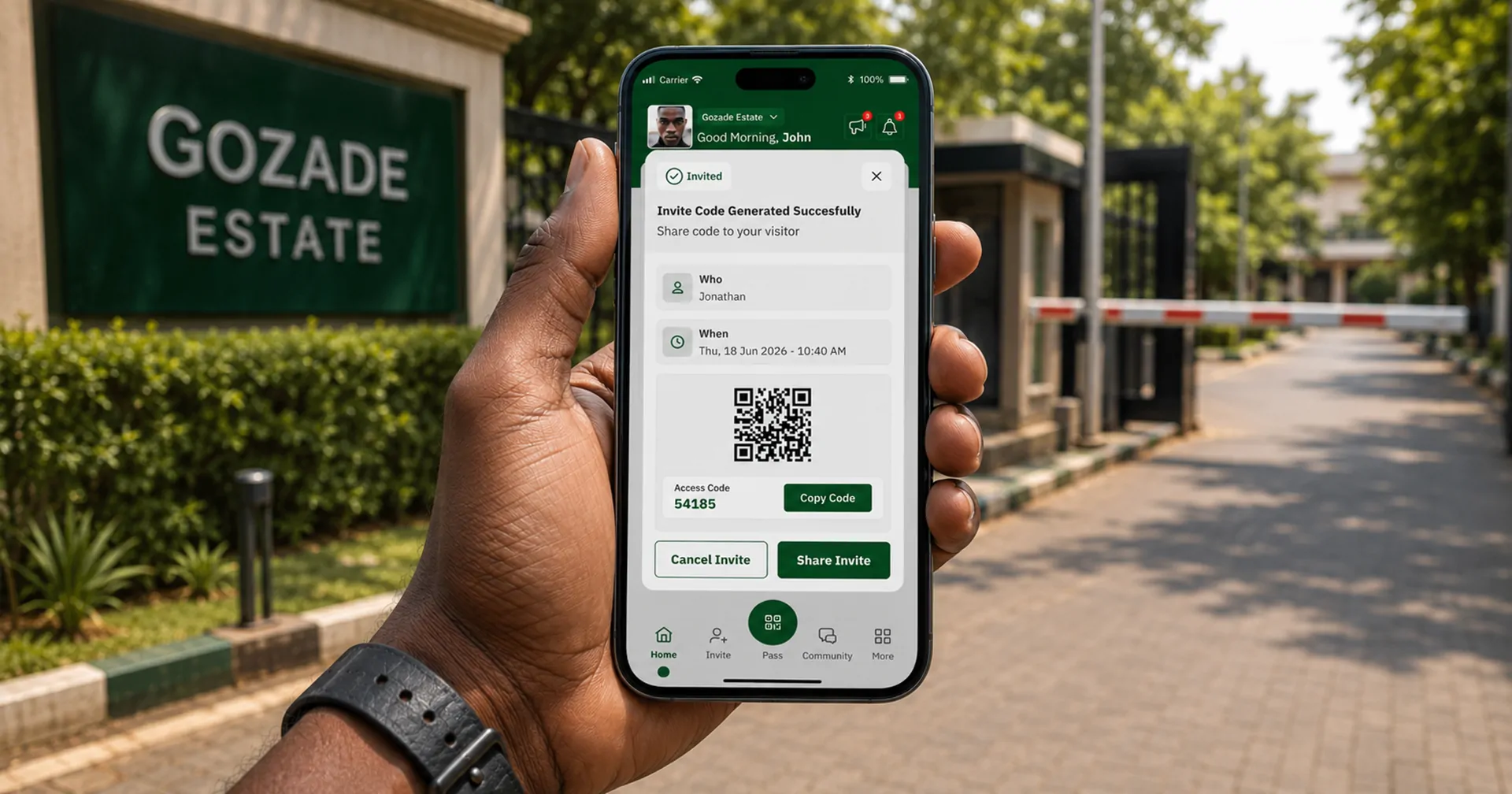
Safety remains a core driver. With Sylogate’s integrated visitor management system, estates can eliminate the risks of unauthorized access while keeping entry seamless for residents and approved guests. For the middle-class population that values peace of mind, this balance between tight security and effortless convenience is a non-negotiable standard.
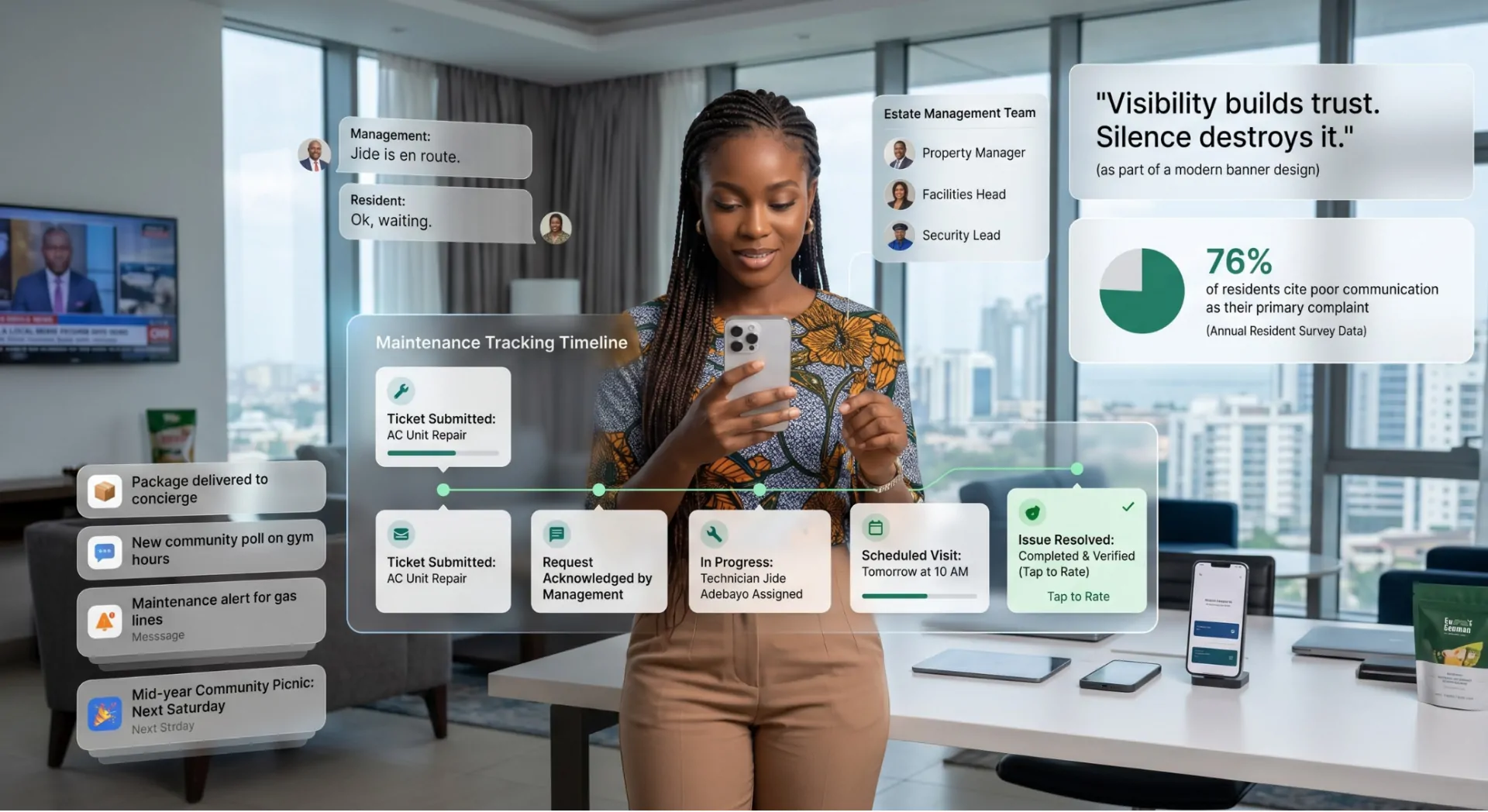
Comfort is another defining factor. Smart estates now integrate energy-efficient systems, IoT devices, and community services that align with today’s fast-paced lifestyle. Through Sylogate, residents gain access to a centralized system that handles visitor authentication, unique access codes, and real-time digital monitoring, all from their smartphones. The result is a living space that promises both safety and comfort.
Conclusion
The transformation of Nigerian estates into smart communities marks a turning point in how people live and interact within their homes. What once seemed futuristic is now the present reality. It is undeniable that technology has become the backbone of residential life.
Sylogate is playing a pivotal role in this shift. By simplifying estate operations with access control, visitor management, and real-time reporting for a secure and connected community, it ensures that Nigerian estates are no longer just places to live, but communities designed for modern comfort and safety.
As urbanization accelerates and the demand for secure, tech-enabled housing grows, Sylogate positions itself as more than an estate management tool, it is the foundation for Nigeria’s future of secure, comfortable, and sustainable community living
Tags
Tips and Guides
Updates


SYLOGATE
An Estate Management Software Company.
Simplify complexity and manage multiple residents and visitors from a single platform.